Will Writing Services
Ensure your money, properties, possessions and investments go to the right people
Covering all of your legal needs with branches in Norwich, Sheringham and North Walsham
We understand that life’s uncertainties can feel overwhelming, especially when planning for the future. With one of the largest departments in Norfolk housing our Wills, Trusts, and Probate solicitors, we are proud to offer a compassionate, tailored service that provides peace of mind.
We are dementia friendly and have solicitors who are members of the Lifetime Lawyer Association, these accreditations mean we are proven to support vulnerable and older people with legal advice.
Our experienced estate planning solicitors are dedicated to ensuring your wishes are respected through comprehensive Wills and Lasting Powers of Attorney (LPAs) and that your loved ones are well cared for when the time comes. We are here to guide you every step of the way, offering both legal expertise and heartfelt support.
Ensure your money, properties, possessions and investments go to the right people
Supporting you to prepare for the future
Guiding you through the estate administration process
Trust creation focused on protecting your interests
Here to advise you on sophisticated tax planning arrangements
Protect your compensation
Protect your healthcare choices with confidence
Assigning a Deputy Through the Court of Protection
Reaching fast resolution together
The most popular way to raise money on your property

Our team of Will Writing solicitors in Norwich provides Wills that give you complete peace of mind, as well as legal assurance that your wishes will be carried out once you are gone, so you know your family will be taken care of.
Wills can be drafted to include trusts which can provide different levels of protection in a range of circumstances. For example:
Protecting the inheritance of children from a previous relationship.
Protecting the inheritance of disabled or vulnerable beneficiaries.
Reducing the amount of tax paid out of your estate.
Allowing couples to plan for the payment of future care fees, introducing a level of protection to legitimately reduce the amount you may need to spend on long term care
Having a Will allows you to decide what happens to your property and possessions. It puts you in control. If you die without a Will, your estate will be distributed in accordance with the Intestacy rules. These rules are old-fashioned and can lead to disappointment and injustice.
Open-minded, supportive communication
Over 70 years of experience
A dedicated client relations desk
Transparent, solution-focused advice
Below you’ll find answers to the questions we hear most often from clients looking for wills, trusts and probate advice.
If your question isn’t covered here, or you’d like advice tailored to your situation, our solicitors across Norfolk are always happy to help with a confidential consultation.
While it is possible to write a will yourself, a poorly drafted will can lead to family disputes, delays in administering your estate, and unnecessary costs. A solicitor can ensure that your will is legally valid, clearly reflects your wishes, and takes your personal circumstances into account. This can provide peace of mind and help reduce the risk of misunderstandings or conflict for your loved ones in the future.
Yes. In most cases, getting married or entering into a civil partnership automatically revokes any existing will, meaning it is no longer valid. It is therefore important to review or make a new will when your circumstances change.
If you divorce or dissolve a civil partnership, the law generally treats your former spouse or civil partner as though they have died for the purposes of your will. Any gifts to them or appointments made in their favour, such as naming them as an executor, will usually fail. The rest of the will remains valid unless it is affected by those changes.
A will sets out what should happen to your assets after you die and only takes effect upon your death. Before the assets in an estate can usually be distributed, the estate may need to go through the probate process.
A trust is a separate legal arrangement that allows assets to be managed by trustees for the benefit of chosen beneficiaries. Depending on the type of trust and the assets involved, a trust can take effect during your lifetime or after your death. Trusts can offer greater control over how and when assets are passed on, and in some cases may help avoid delays associated with probate.
Yes, it is possible to place your house into a trust. Trusts can be a useful way of managing and protecting assets, helping to ensure they are passed on in accordance with your wishes. However, transferring your property into a trust can have significant legal, tax, and practical implications, and you may give up some control or ownership rights depending on the type of trust used.
As every situation is different, it is important to seek legal advice before placing your home into a trust. A solicitor can help you understand the options available and determine whether a trust is the most appropriate solution for your circumstances.
No, probate is not always required. Whether probate is needed depends on the type and value of the assets left behind and how they were owned.
Probate is more likely to be required if the deceased owned property or land in their sole name, held significant assets in their own name, or had substantial savings and investments. However, some assets can pass automatically to a surviving owner or beneficiary, meaning probate may not be necessary.
As every estate is different, it is often helpful to seek advice to establish whether probate is required and what steps need to be taken.
The probate process can vary depending on the size and complexity of the estate. For a straightforward estate, it will typically take between 6 and 12 months from start to finish.
However, the timescale can be longer if there are complex assets, inheritance tax matters to deal with, difficulties locating beneficiaries, or disputes between family members. Delays can also occur while waiting for financial institutions to provide information or for HMRC to process any required tax forms.
A solicitor can help guide you through the process, ensuring that all necessary steps are completed as efficiently as possible.
If you need support when it comes to your wills, LPAs, trusts, or probate, we’d be happy to provide our expert and friendly advice. We are Dementia friendly trained and here to help individuals, families and those planning for later life.
We also offer a 10% discount for key workers.
To find out more about our will writing services or to discuss your individual requirements in further detail, contact our solicitors. Lin and Wenche are also LLA accredited solicitors.
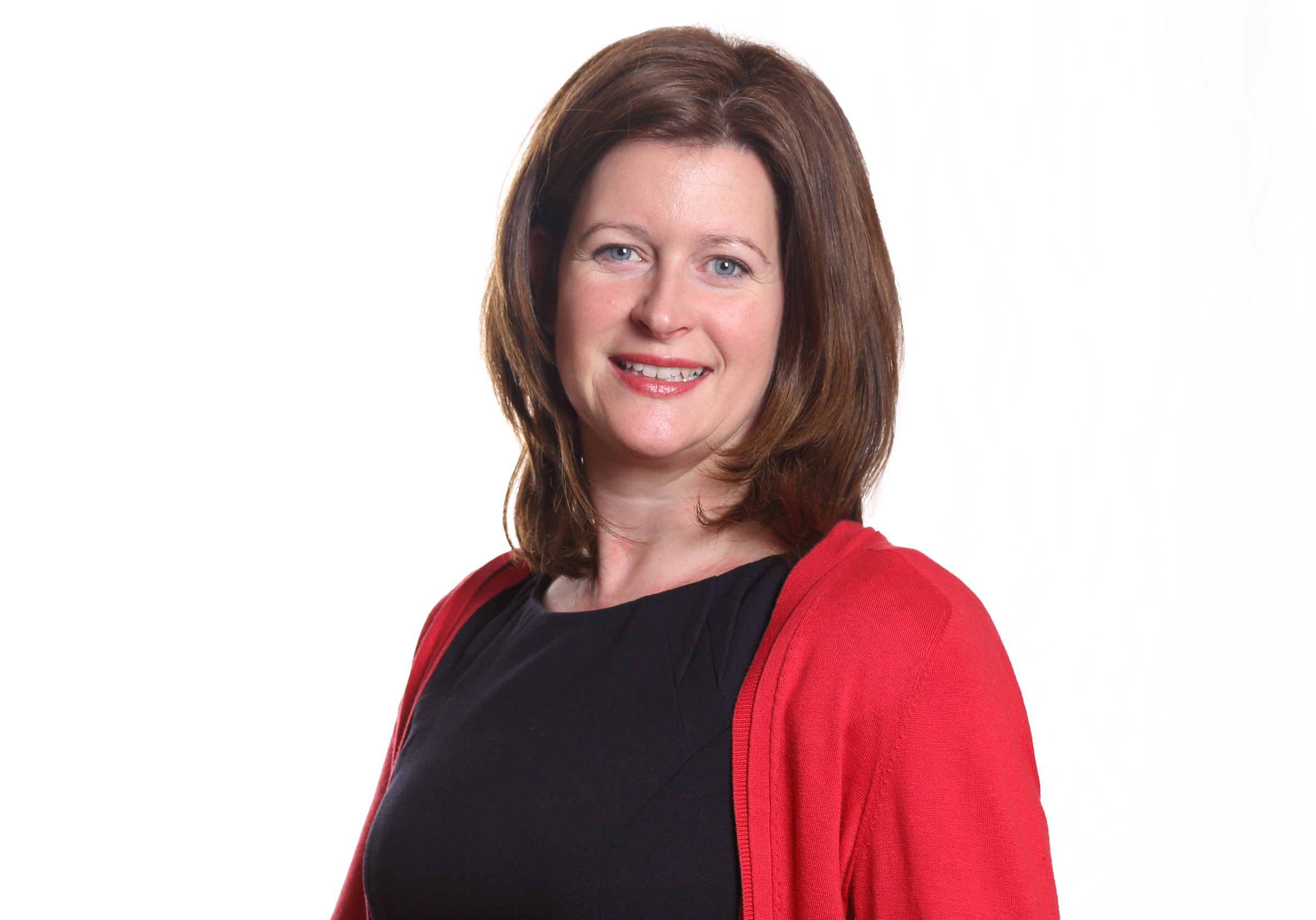
Partner and Head of Private Client
Legal Secretary

Legal Secretary

Associate Solicitor

Associate Chartered Legal Executive

Legal Secretary
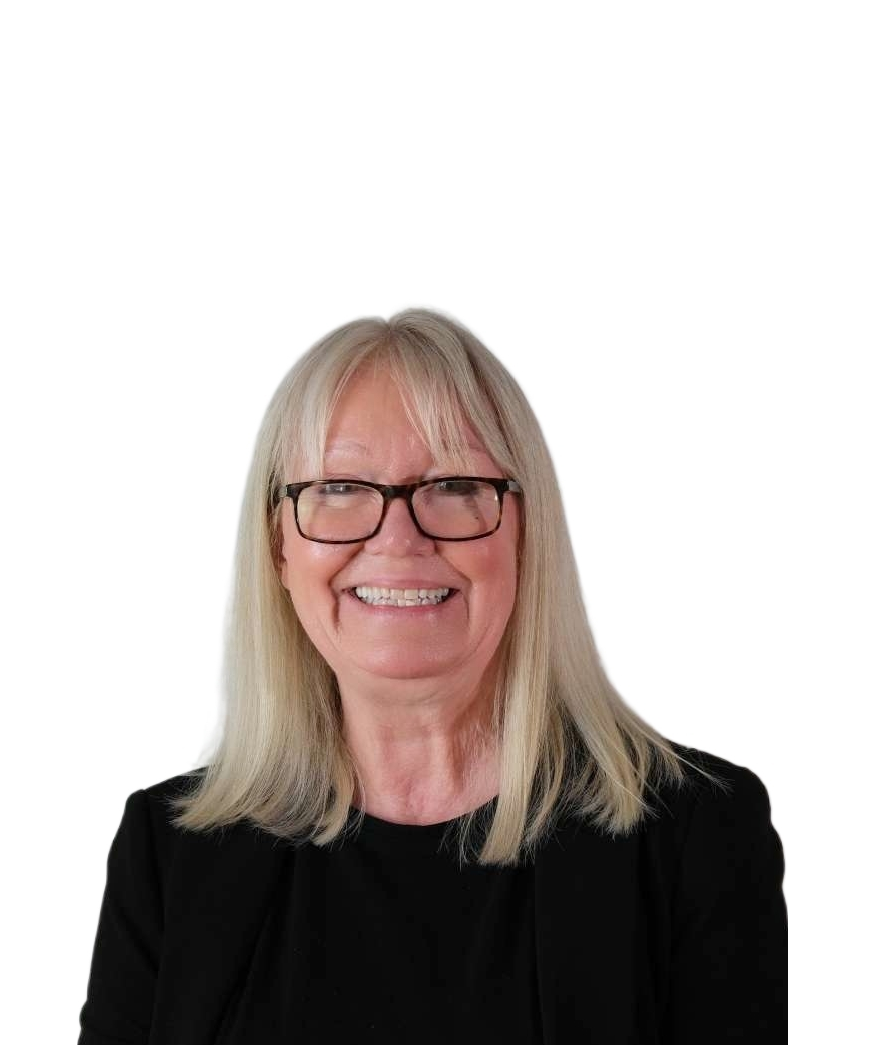
Chartered Legal Executive
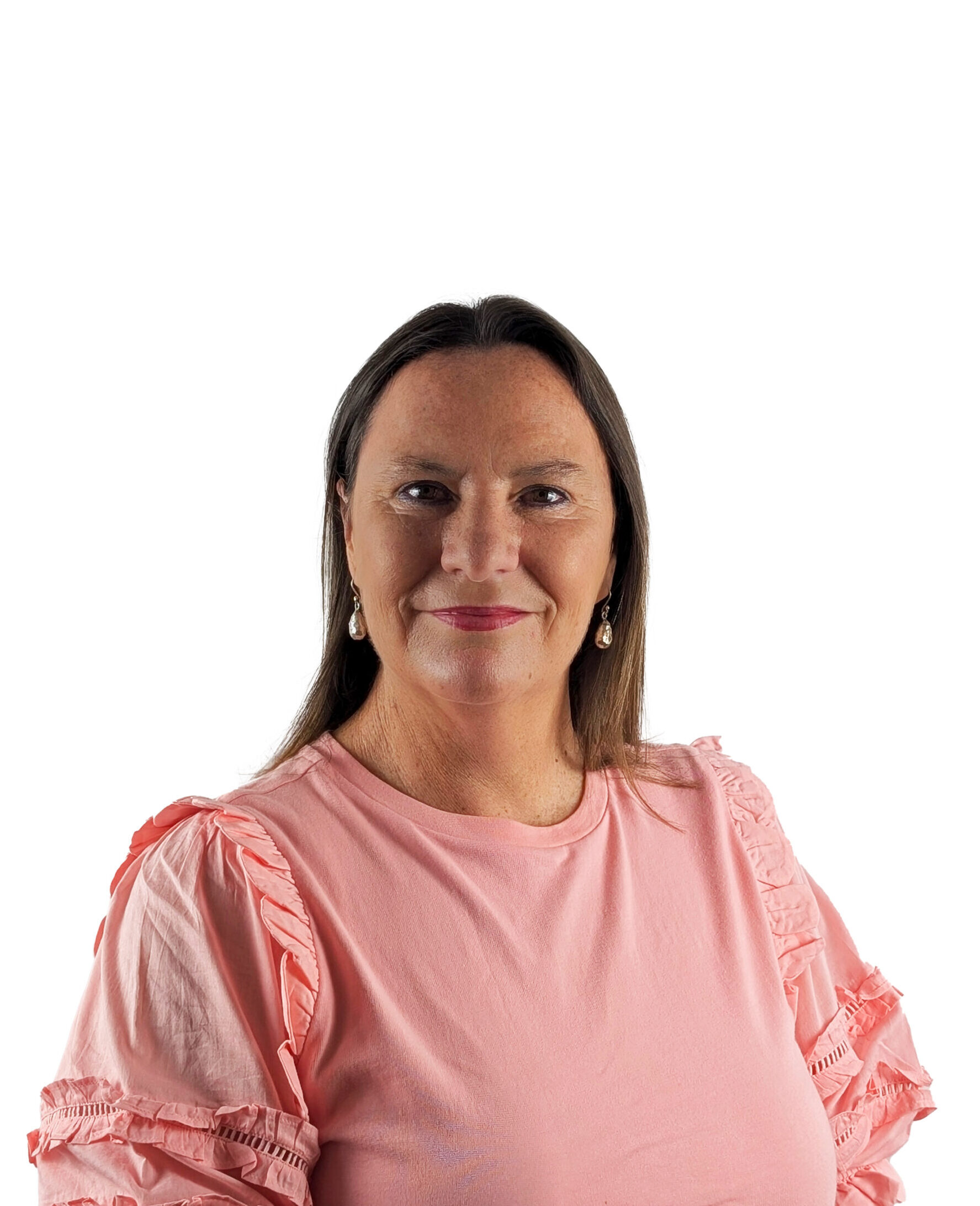
Head of Wills, Trusts & Probate (Associate Solicitor)
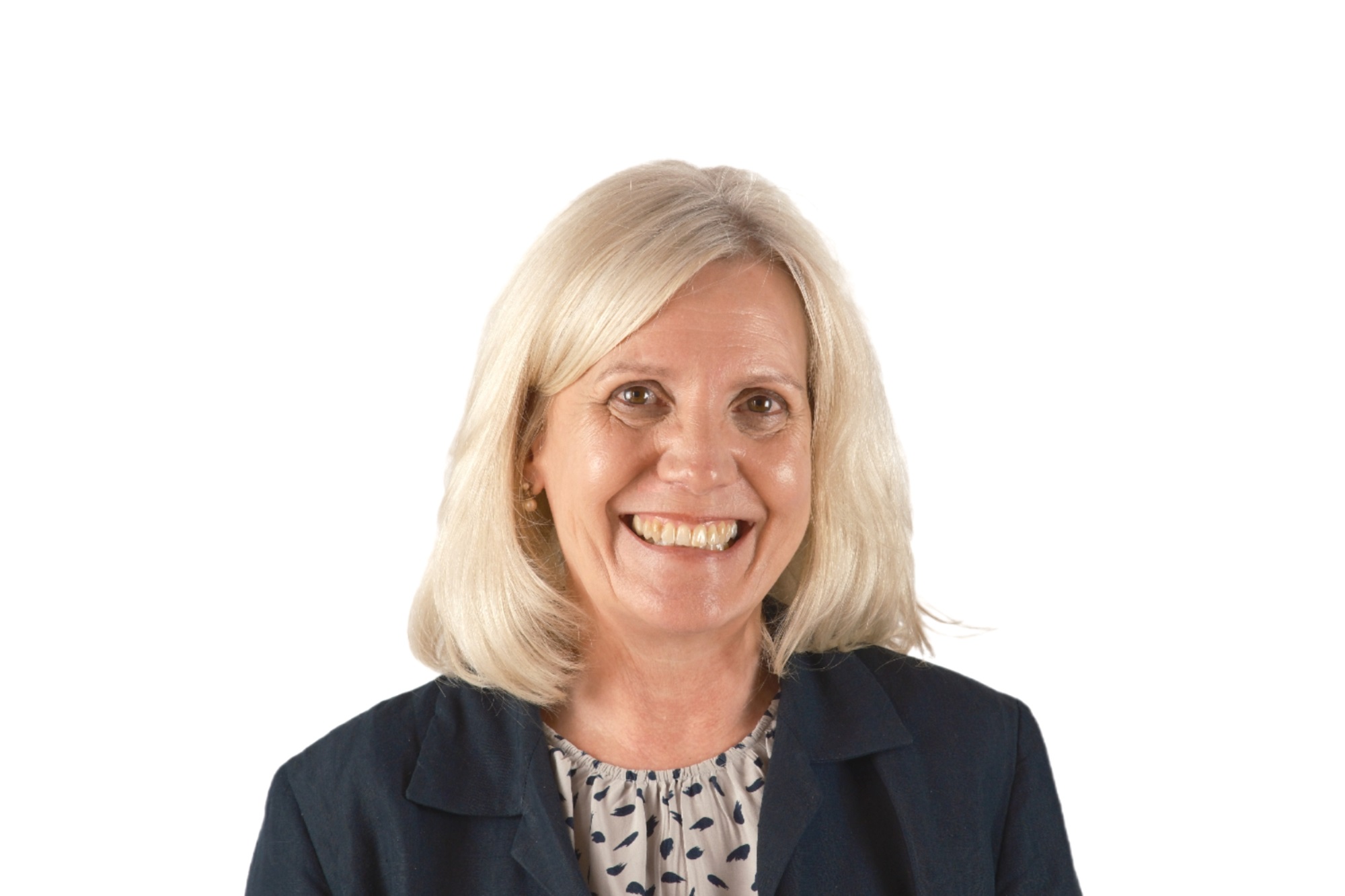
Probate Executive
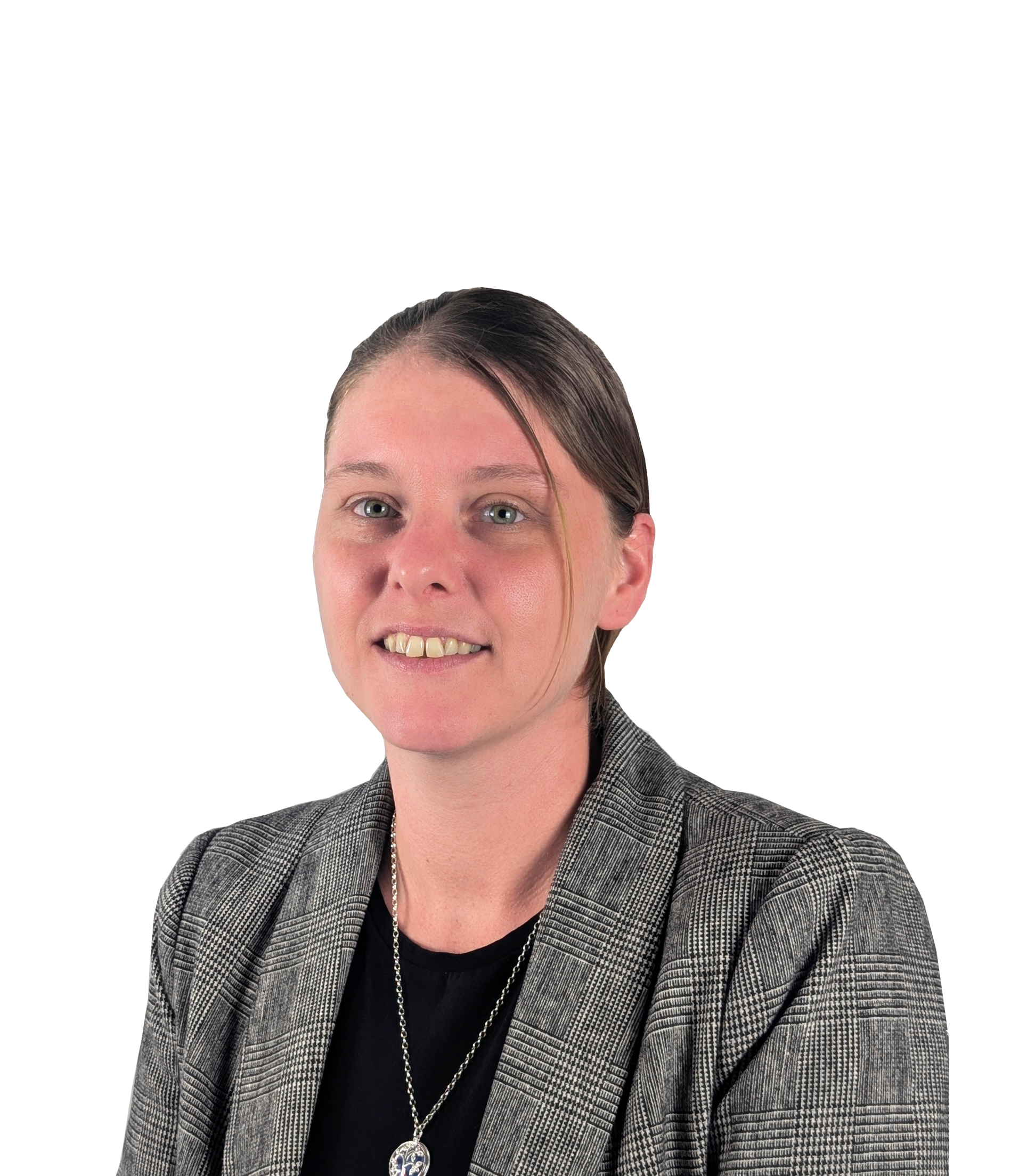
Legal Secretary
Paralegal